
With Earth Day this month, many kitchens start thinking about sustainability—how to reduce waste, lower energy use, and run more efficiently day to day.
But in practice, those improvements don’t usually come from big, sweeping changes.
They come from the systems kitchens rely on every day.
I’ve walked hundreds of kitchens where the line is world-class, but the staff is exhausted because the “hidden systems” are working against them.
When those systems aren’t working as efficiently as they should, the impact shows up in ways teams feel immediately—slower workflows, added strain on staff, and inconsistent performance across the board.
And in many cases, the root of the problem isn’t happening on the line.
It’s happening behind the scenes.
Ventilation: The Impact You Can’t Always See
Ventilation plays a bigger role in kitchen performance than it often gets credit for.
When airflow isn’t properly balanced, kitchens can feel hotter, more uncomfortable, and harder to work in. Over time, that affects how long staff can maintain pace and how consistently equipment performs.
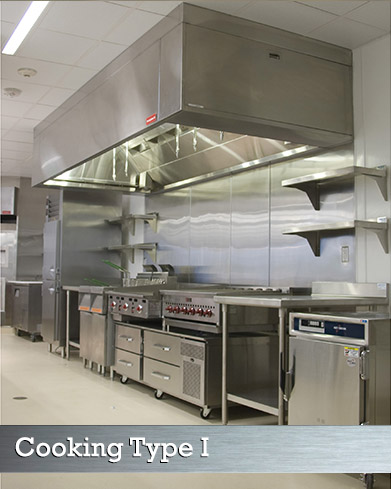
Streivor designs ventilation systems with overall kitchen performance in mind, focusing on proper air balance, heat capture, and efficient exhaust. Their solutions include both Type I hoods for grease-producing equipment and Type II hoods for heat and steam, allowing kitchens to match ventilation more precisely to the application.
That distinction matters. When ventilation is properly specified, systems don’t have to work harder than necessary—helping maintain more consistent temperatures, reduce energy demand, and create a more comfortable working environment for staff.
When ventilation is working as it should, kitchens not only run more comfortably, but more efficiently as well.
Warewashing: Keeping the Kitchen Moving
The dishroom is one of the most important—and most overlooked—parts of the kitchen.
When warewashing falls behind, the effects ripple quickly through the operation. Clean wares become harder to keep up with, staff are pulled away from other responsibilities, and service flow becomes more difficult to maintain.
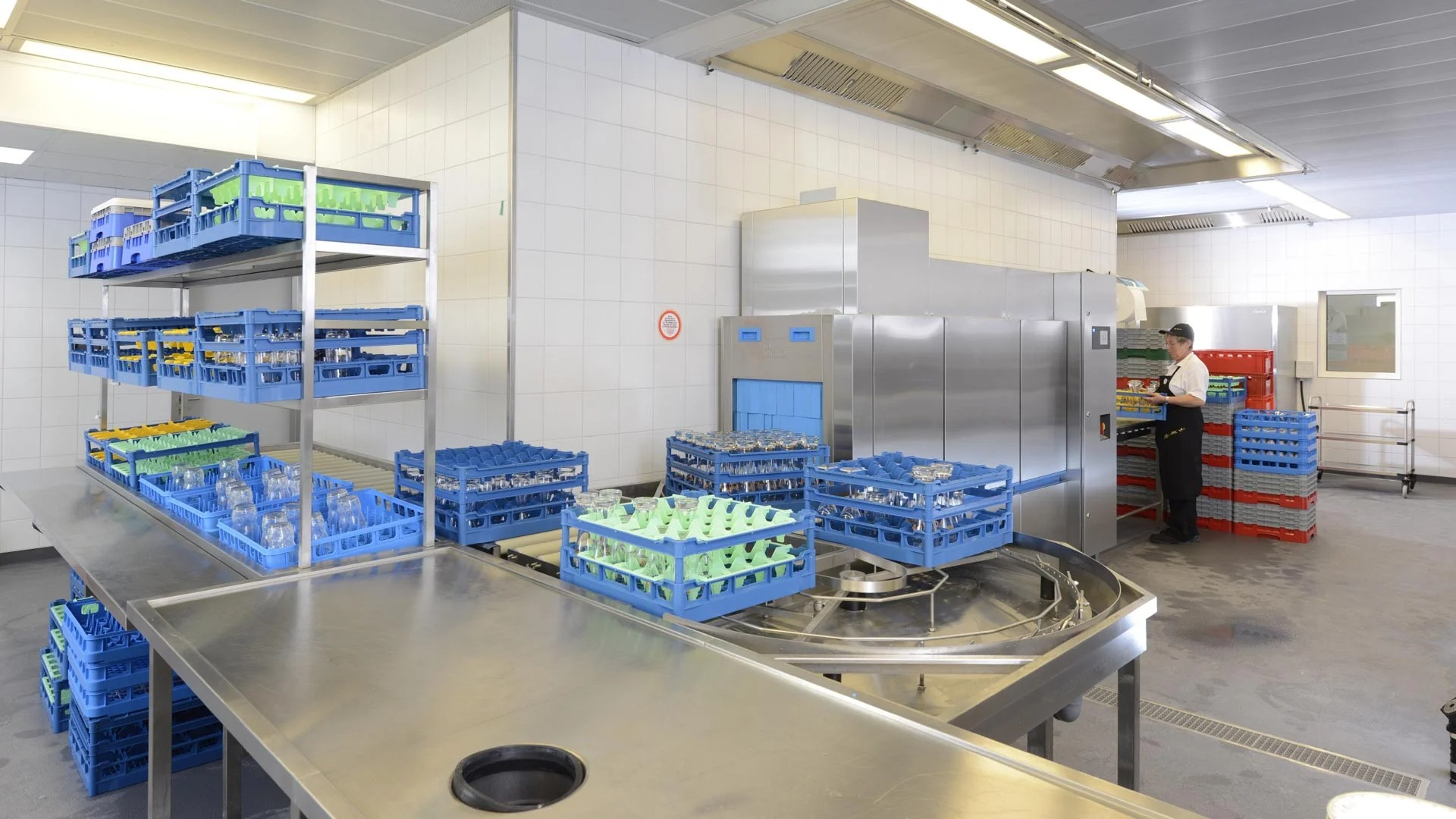
Meiko’s rack conveyor warewashing systems are designed for continuous, high-volume operation, helping kitchens keep pace during peak periods without creating backups. Features like integrated heat recovery and advanced water filtration allow these systems to reuse energy and reduce overall water consumption—without compromising on performance.
Technologies like MEIKO’s GreenEye further support this by monitoring soil levels in real time and automatically adjusting water usage throughout the wash cycle. The result is a system that not only keeps up with demand, but does so as efficiently as possible.
By improving throughput while using resources more intelligently, warewashing becomes less of a bottleneck and more of a support system for the entire kitchen.
Waste Management: Small Interruptions That Add Up
Waste management is a constant part of kitchen operations, but it’s rarely viewed as a performance driver.
When waste handling isn’t efficient, it creates small but constant disruptions—extra trips to dispose of scraps, cluttered prep areas, and interruptions that slow teams down during busy periods.
Insinkerator’s commercial food waste systems are designed to process waste directly at the source, reducing the need for handling and helping keep workflows uninterrupted. Solutions like their AquaSaver® control system automatically adjust water flow based on disposer usage, ensuring that water is only used when needed during grinding and non-grinding cycles.
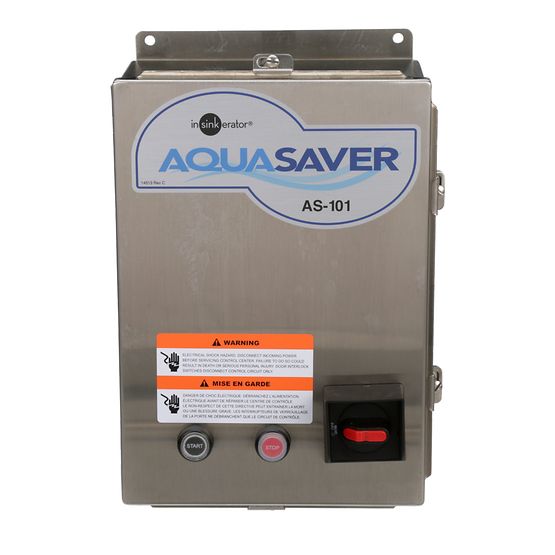
This kind of on-demand control can significantly reduce water consumption—by as much as 70%—while still maintaining consistent performance.
With many commercial disposer units currently maintaining steady 3–5 business day lead times, these solutions can often be implemented quickly without long delays.
Beyond workflow improvements, this approach also supports broader sustainability goals by lowering waste volume, reducing resource use, and helping kitchens operate more responsibly over time.
Looking Beyond the Line
The most effective kitchens don’t just focus on cooking equipment.
They look at how the entire space functions—from airflow to cleanup to waste flow—and how those elements support the team throughout the day.
These behind-the-scenes systems may not always be the first place operators look, but they often have a direct impact on efficiency, consistency, and overall working conditions.
Where High Sabatino Comes In
At High Sabatino, we work with operators, consultants, and dealers to take a full view of the kitchen—not just the equipment on the line, but the systems that support it.
From ventilation to warewashing to waste management, identifying and improving these areas can help create a smoother, more efficient operation day to day.
With Earth Day as a reminder, it’s a good time to take a closer look at how these systems can support both performance and more responsible kitchen operations over time—without adding complexity for your team.
Ready to audit your “hidden” kitchen systems? Reach out to our team for a site survey or visit our Jessup Test Kitchen to see these systems in action.
