
School and university kitchens don’t have the luxury of slowing down. From early breakfast prep to late-night service, the pace doesn’t let up.
The challenge isn’t just keeping up. It’s doing it with limited labor, tight service windows, and equipment that has to perform without fail. When something breaks down or slows the line, you feel it immediately.
At High Sabatino, we work with school districts, colleges, and universities every day that are navigating these exact challenges. The goal is always the same: build a kitchen that can keep up with the pace of service without creating more complexity for the team.
In this blog, we’re taking a closer look at what that actually requires. From serving lines to smallwares, refrigeration, and rapid cook solutions, we’ll walk through how the right equipment from BSI, Bally, G.E.T., and Ovention supports kitchens that need to work all day, every day.
Built for the Pace of Education Foodservice
If you’ve worked in a school or university kitchen, you know the pace is relentless. There’s a constant rhythm to the day: prep, serve, reset, repeat. There’s very little room for error in between.
Unlike traditional foodservice operations, these kitchens are often feeding hundreds or thousands of people in tight service windows. When something slows down, the impact is immediate.
That’s why average equipment becomes a problem pretty quickly. Every piece in the kitchen needs to be easy to use, consistent, and able to keep up, especially when staffing is tight and teams are constantly rotating.
At High Sabatino, we’ve spent decades working alongside educational institutions to solve these kinds of challenges. It’s not just about placing equipment. It’s about building a kitchen that can keep up with the pace of service.
Smarter Serving & Flow with BSI
Serving lines are one of the biggest pressure points in any school or university setting. When they’re designed well, service moves. When they’re not, everything backs up.
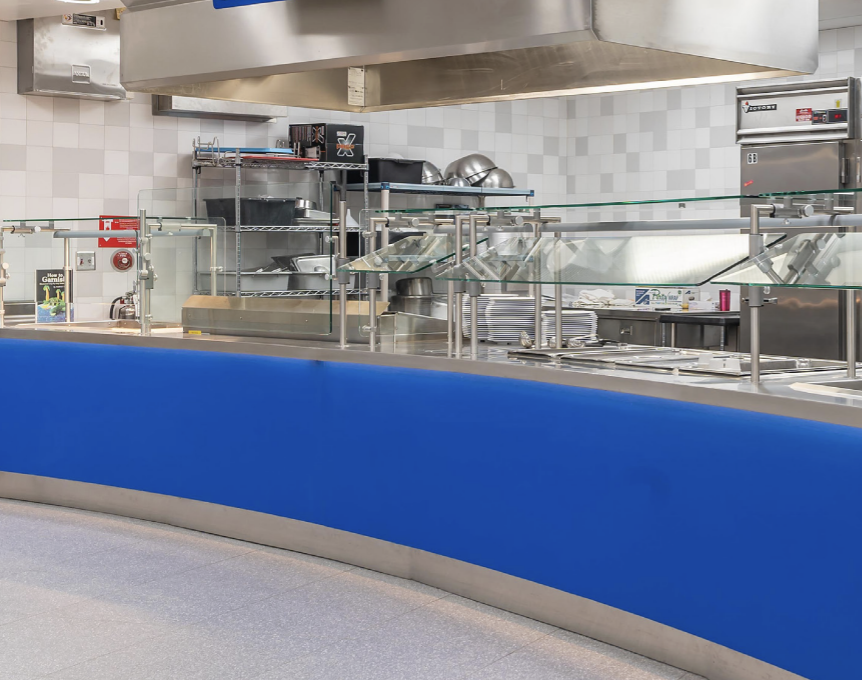
BSI focuses on complete servery solutions that are built around how these environments actually operate. Their fixed and adjustable food guards allow operators to move between full-service and self-service setups, giving schools flexibility as participation and staffing needs change.
For K-12 programs, that flexibility helps maximize limited space while keeping serving lines efficient and easy to manage. Features like convertible guards and integrated counters support faster service without overcomplicating the setup.
In higher education, the focus expands beyond efficiency. BSI’s custom serving lines, wide range of finish options, and merchandising elements allow operators to create dining spaces that feel more like retail environments while still handling high volume.
It’s a practical advantage. Systems that improve flow, adapt to different service styles, and support both function and presentation.
Reliable Cold Storage That Keeps Up with Demand: Bally
It’s easy to take refrigeration for granted until it becomes a problem.
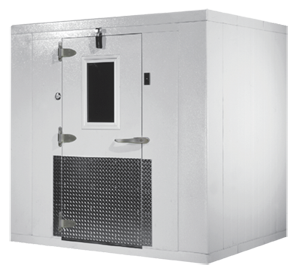
In school and university kitchens, walk-ins are constantly being opened, restocked, and relied on during peak production times. They need to hold temperature, handle volume, and stay dependable without constant attention.
Bally walk-ins are built for that kind of environment. With custom sizing options, durable panel construction, and configurations designed to fit the space, they give operators a storage solution that works with the kitchen instead of against it.
For K-12, that reliability helps keep daily service on track without unexpected disruptions. In higher education, where volume and variety increase, having cold storage that can keep up becomes even more critical.
It’s not complicated. When refrigeration works the way it should, everything else runs smoother.
Durable Smallwares That Hold Up: G.E.T.
It’s easy to overlook smallwares when talking about kitchen performance, but in school and university settings, they’re constantly in use and constantly under stress.
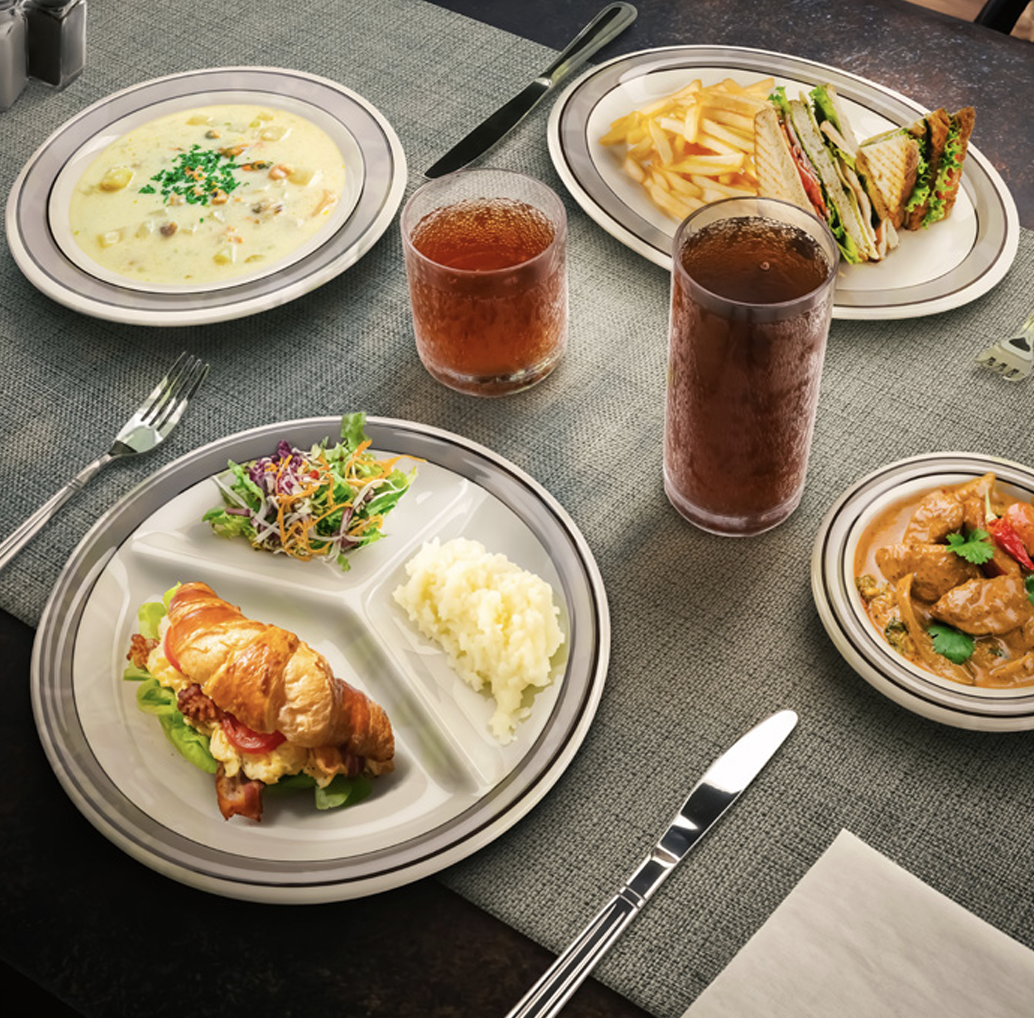
G.E.T. products are built to handle heavy use without constant replacement. Their melamine dinnerware offers the look of traditional china without the risk of constant breakage, making it a practical choice for high-volume cafeterias and dining halls.
For K-12 programs, where safety and cost control are critical, break-resistant and shatterproof options help reduce both replacement costs and the risk of injury in fast-paced serving lines.
In higher education, the needs expand. Dining programs are expected to deliver a more elevated experience. From durable drinkware to display and buffet solutions, operators can create a more engaging presentation without sacrificing durability.
It’s a simple advantage. Products that can handle the volume, support safety, and still hold up visually in front-of-house settings.
Speed and Flexibility with Ovention
One of the biggest shifts in education foodservice is the move toward more flexible, made-to-order options.
Students expect speed and variety, whether they’re in a K-12 grab-and-go line or a university dining hall with multiple concepts.
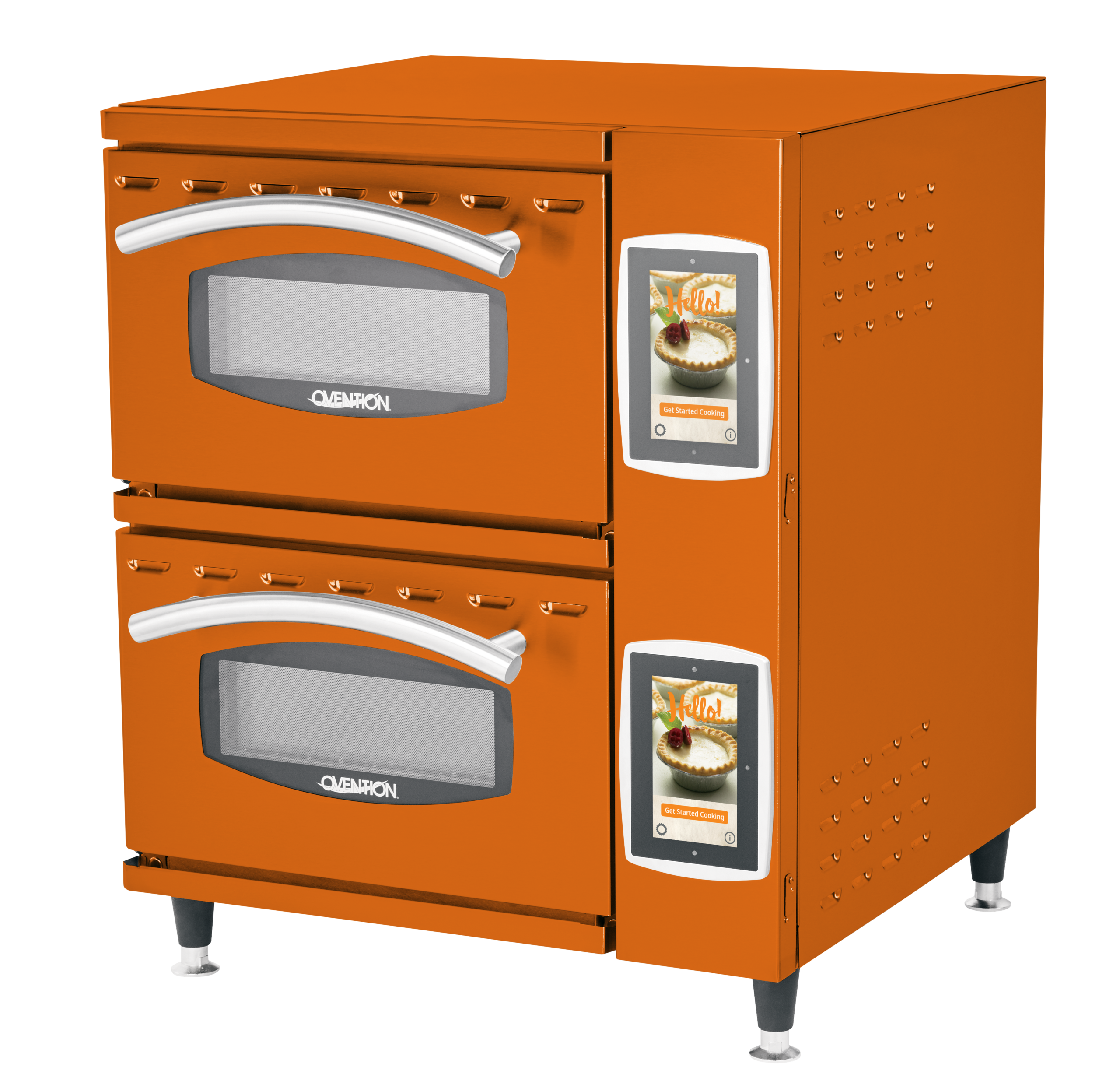
Ovention ovens are built to support both. The Milo oven delivers high-speed, consistent cooking in a compact, ventless design, making it a strong fit for stations where space is limited but speed still matters. For higher-volume applications, Ovention’s conveyor ovens, like the 2600 and 2000, provide the kind of throughput and consistency needed to keep lines moving during peak service.
For K-12, that can mean expanding menus or adding new stations without overcomplicating the kitchen setup. In higher education, it supports more retail-style concepts, extended service hours, and additional cooking stations outside of the main kitchen.
The benefit is straightforward. More flexibility in what you can serve, without slowing down service or making things harder on the staff.
It’s Not Just Equipment, It’s How It Works Together
No single piece of equipment fixes the challenges of a school or university kitchen.
What makes the difference is how everything works together. A well-designed serving line, supported by reliable refrigeration, durable smallwares, and flexible cooking equipment, creates a kitchen that actually runs smoothly during service.
It reduces mistakes, keeps lines moving, and takes pressure off the staff during the busiest parts of the day.
That’s the approach we take at High Sabatino.
Let’s Build a Kitchen That Works for You
Every school and university kitchen comes with its own challenges. Space constraints, staffing, menu demands, and service style all play a role in what actually works day to day.
At High Sabatino, we work closely with consultants, dealers, and operators to build solutions that are grounded in real-world use, not just design plans. The goal is simple: create kitchens that run smoothly during service and hold up over time.
If you’re planning a new project or looking to improve an existing space, we’d be glad to talk it through with you. And if you want to see equipment in action before making a decision, our test kitchen is available for hands-on demos and side-by-side comparisons.
Reach out to our team to start the conversation or schedule time to visit the test kitchen.
